A quitclaim act is a legal paper in which a property owner, called the grantor, transfers their interest in a residential property to a beneficiary (the recipient). There is no cash exchanged and there are no legal provisions to shield the events included – the quitclaim act conveys all the grantor’s passion in the residential property without specifying the nature of, and without guarantees of, their passion or civil liberties in it.
In even more straightforward terms, a quitclaim deed releases ownership civil liberties without the demand for a home sale. But it doesn’t make any type of guarantee that the grantor really owns the residential property. This indicates that if any kind of issues emerge in the future, the beneficiary might have restricted lawful recourse.
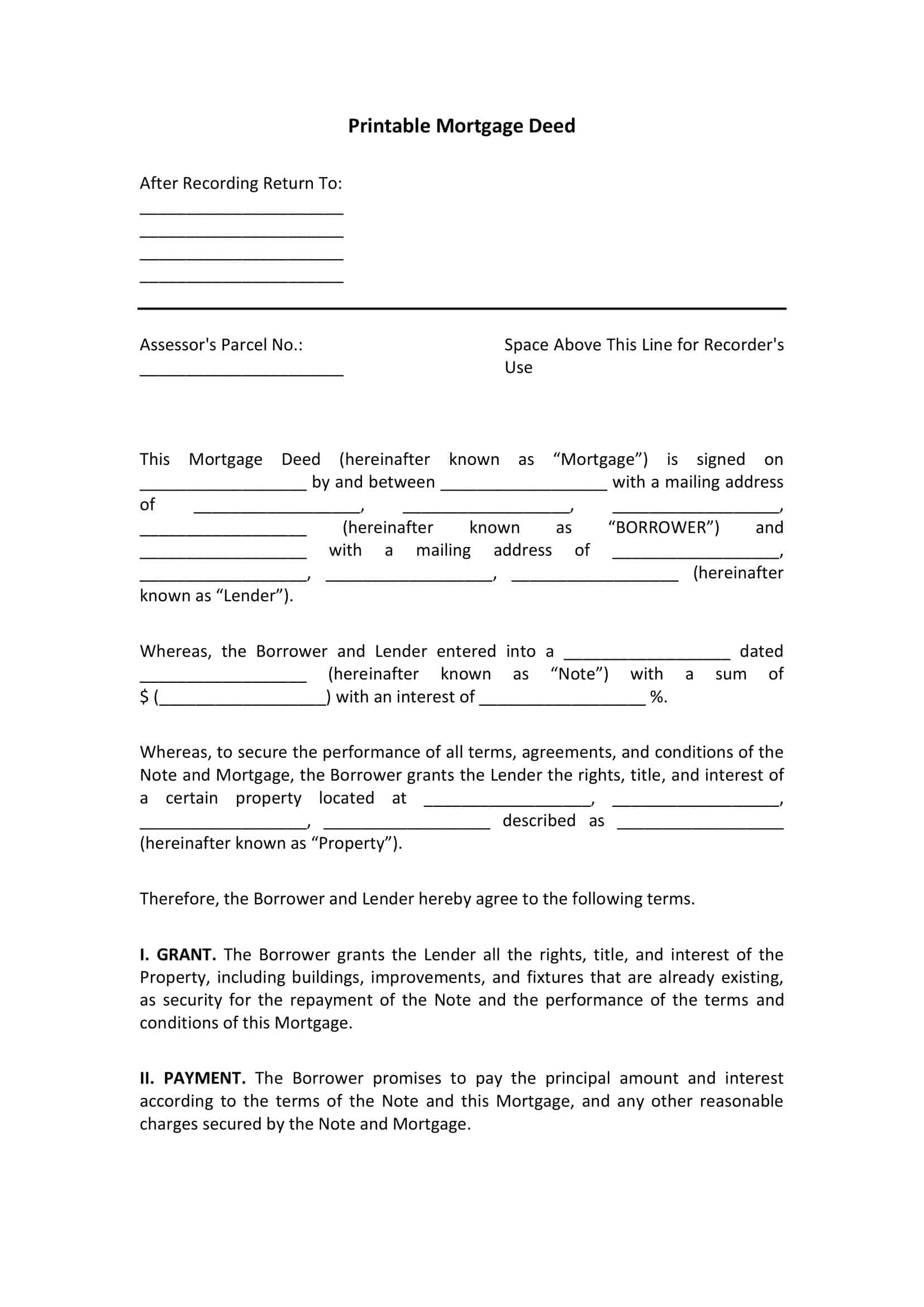
While much less formal than various other kinds of acts, quitclaim actions have to adhere to specific procedures. The action file itself should include the names of the grantor and grantee, a description of the building and when the property is to be moved.Read about Edit Washington Quit Claim Deed At website It needs to be authorized by both parties and notarized before being filed at a local county staff’s office. If greater than a single person owns the residential property, every one of them have to sign the deed. In some states, a witness might be called for, and if the grantor is married, the spouse may also need to sign.
When is a quitclaim deed utilized?
These acts are frequently used for moving home in between family members, when there is no cash transforming hands. They might additionally be used to include or remove a person to the title or to heal a basic flaw on the title, such as an error in an address or a misspelled name. It often enters play in situations like marriage or divorce, or in cases of bequests or gifts.
Quitclaims are additionally utilized when it is uncertain who in the chain of title might have a rate of interest because of an inheritance – say, the decedent’s sibling’s other half’s relative – or a change in marital condition, like the youngsters of a separating couple.
What to consider prior to using one
The policies for utilizing quitclaim acts vary from state to state, and realty ownership is usually complex. Here are a couple of points to think of before selecting one:
- While types are widely available online for free, it’s best to hire a realty attorney, who can lead you through the procedure and aid prepare the record. A small blunder or an omission can be expensive down the road.
- You might also wish to speak with an accountant about the possible tax obligation effects. Depending upon the home’s value and your state’s policies, the residential or commercial property might cause a gift tax obligation, or a funding gains tax if the beneficiary ever decides to offer.
- Also, note that a quitclaim deed does not impact ownership of the mortgage on the home, if there is one. The grantor is still in charge of paying unless the mortgage is legally moved to the grantee.
- A quitclaim act might also impact the grantor’s will, if one exists. Filing a quitclaim action suggests relinquishing your ownership of the residential property, and you can’t bestow what you don’t own – making sure the will is updated can prevent concerns or misconceptions later.
Quitclaim deed vs. warranty deed
Quitclaim acts aren’t your only option to transfer ownership of a residential or commercial property – warranty deeds are an additional typically used approach. The essential distinction in between quitclaim acts and warranty deeds is the extent to which they guard the grantee/recipient’s interests.
Guarantee deed
A guarantee deed gives a greater level of security for the recipient, and is as a result typically utilized in sale transactions in between unrelated celebrations. It ensures that the grantor has the home and has the legal right to market it – if the grantor of a guarantee deed misrepresents the title or their possession, the grantee can sue them.
Quitclaim deed
A quitclaim action, however, does not guarantee the vendor’s ownership or clear title. Instead, the grantor is just claiming that he or she is giving over ownership of the property to the beneficiary. That’s why this alternative works better for non-sale transfers between trusted family members, when there is no doubt concerning ownership.